Water Damage Restoration : Columbia, TN
Flood Damage Cleanup in Columbia, TN
Flood damage cleanup in Columbia, TN. Street flooding and storm water cleaned up safely and dried. Call +1 (844) 468-2611.
Category 3 PrecautionsContaminated Water HandlingWritten Scope First
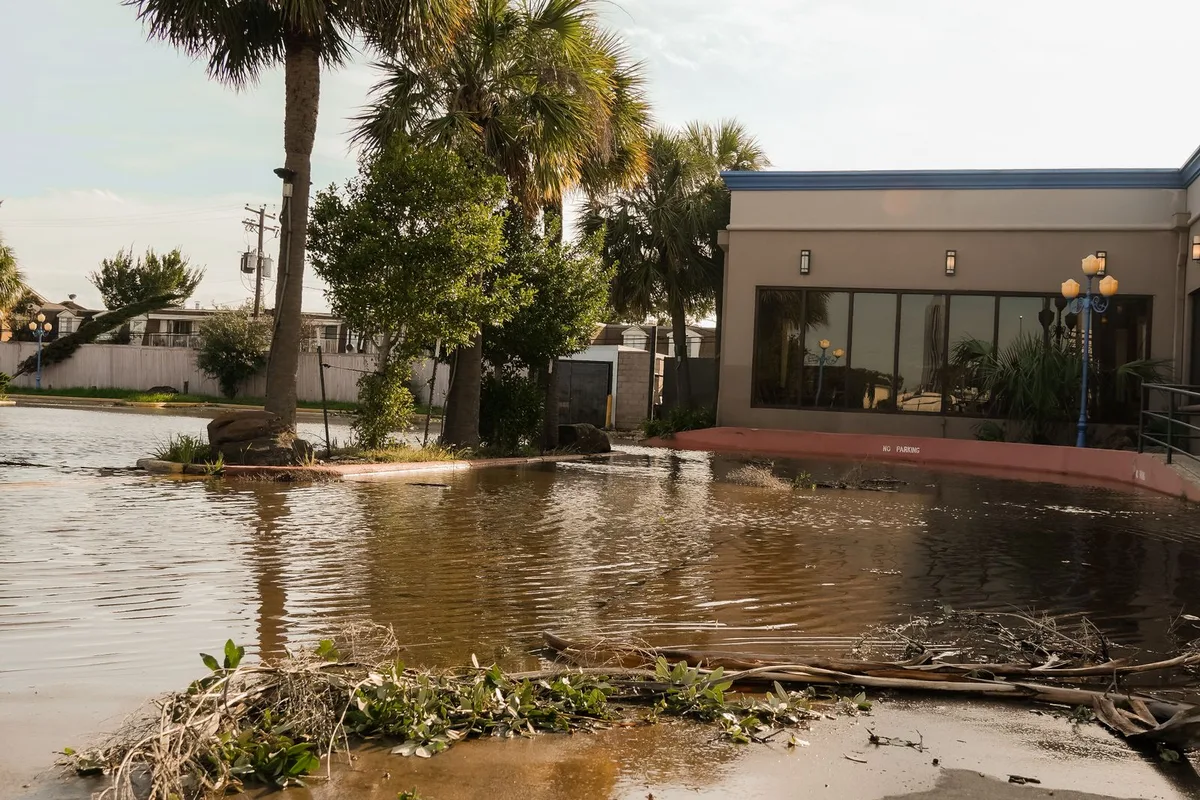
Flood water carries soil, sewage and chemicals, so cleanup follows the contaminated-water standard.
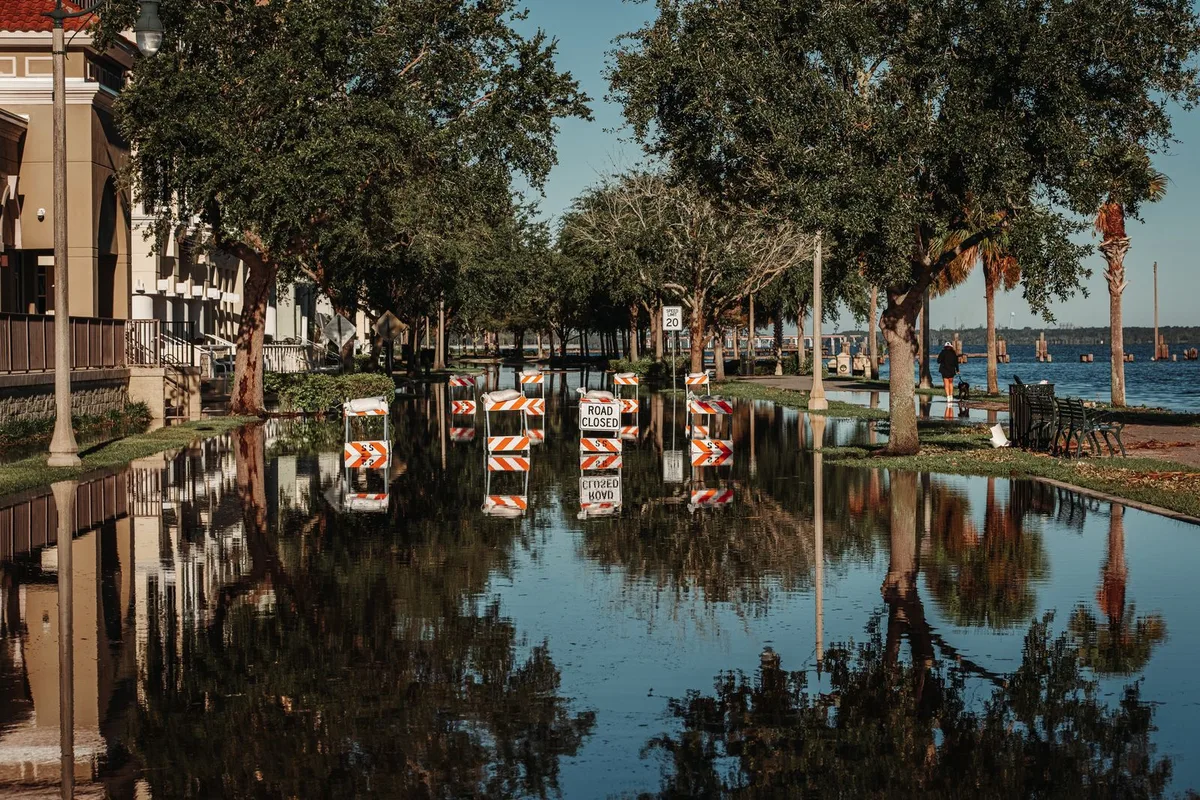
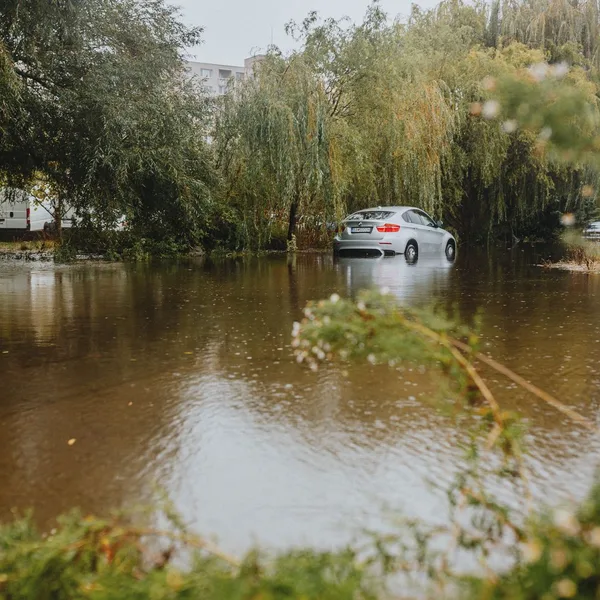
Columbia floods from the street as well as from the sky. A hard downpour fills streets faster than the storm drains carry the water away, and the Duck River and Little Bigby Creek both rise fast when the ground is already wet, because the red clay soil under the city drains slowly and keeps the ground saturated long after the rain stops. The low ground along Riverside Drive takes water first, and the May 8, 2024 tornado left roofs and drainage across the city that still channel storm water into homes.
Flood water that comes in from outside is treated as Category 3 water, the most contaminated kind, because it has crossed streets, lawns and drains on its way in. Cleanup through Muletown Water Pros starts with safety: protective gear, no wading without it, and removal of porous materials the flood touched, carpet pad, soaked drywall and insulation, because those cannot be sanitized in place. Then the rooms are cleaned, sanitized and dried to readings. For the drying stage itself, see structural drying and dehumidification.
Muletown Water Pros takes calls across Columbia, Tennessee, in ZIP codes 38401 and 38402, from Riverside and Historic Downtown to Graymere, Sunnyside and Bear Creek Overlook. The technicians are local, the drying is measured with moisture meters, and every job is quoted in writing before work begins.
Signs You Need Flood Damage Cleanup
- Water that came in from outside, not from a pipe
- Mud, silt or debris lines on walls and floors
- A smell of sewage or chemicals in the water
- Carpet pad or drywall soaked by street water
- Water that reached electrical outlets or appliances
Flood Water or Clean Water?
The source decides the standard. Water from a clean supply line is Category 1 and can often be dried in place. Water that came in from outside, a street, a creek or a backed-up drain, is Category 3 and is handled as contaminated from the start, whatever it looks like. Never assume flood water is clean because it looks clear; it has crossed ground you would not drink from.
How the Visit Works
- Stay safe first. Do not wade into flood water; it may hide electrical hazards and contamination.
- Extract and remove. Standing water is pumped out and soaked porous materials are taken out.
- Clean and sanitize. Hard surfaces are cleaned and treated before any drying starts.
- Dry to readings. Air movers and dehumidifiers run against daily moisture readings.
- Document it all. Photos, readings and the scope go into the insurance file.
What This Service Includes
- Contaminated water treated as Category 3
- Soaked porous materials removed
- Sanitizing before drying begins
What a Visit Looks Like
Every visit follows the same order. The technician walks the affected rooms with a moisture meter, finds how far the water spread, including behind walls and under floors, and shows you the readings. The water category is named, clean, gray or black, because the category decides the cleanup standard. The written scope separates extraction, drying, cleaning and rebuild so you can see exactly what you are approving.
When the work is done, the readings are taken again and logged. Equipment is removed only when the numbers prove the structure dry, not when it looks dry. You get the drying log and the photos for your insurance file, and the rooms are left clean, dry and ready for whatever comes next.
What Flood Damage Cleanup Costs in Columbia
Flood cleanup in Columbia typically runs $1,000 to $3,500 for a single room or basement, and more for whole-house flooding, because contaminated water needs more handling and more material comes out. The written scope separates extraction, removal, cleaning and drying so you can see exactly what you are approving.
Before the Next Storm
Keep gutters clean and downspouts pointed away from the foundation, and know where your street's water goes in a hard rain. If your home sits low near a creek or a dip in the road, a sump pump with a battery backup is worth having, because the storm that floods the street is the same storm that takes the power. After any flood, photograph the water lines before cleanup starts; those photos are the insurance record.
Common Questions
Is flood water dangerous to touch?
Yes. Flood water can carry sewage, chemicals and bacteria, and it can hide electrical hazards. Stay out of it, keep children and pets away, and let the cleanup crew handle it with protective gear.
Will my carpet survive a flood?
Usually not the pad, and often not the carpet if the water was contaminated. The pad is removed and the carpet is lifted and assessed from the readings. The technician will tell you plainly what can be saved and what should go.
Does homeowners insurance cover flooding from outside?
Often not under a standard policy; outside flooding usually needs separate flood insurance. The visit documents everything with photos, readings and a written scope, which is exactly what a flood claim or a FEMA file needs.
Questions about this service, or water doing something else entirely? Call +1 (844) 468-2611. A Columbia technician will walk through what the water did and what it needs.